
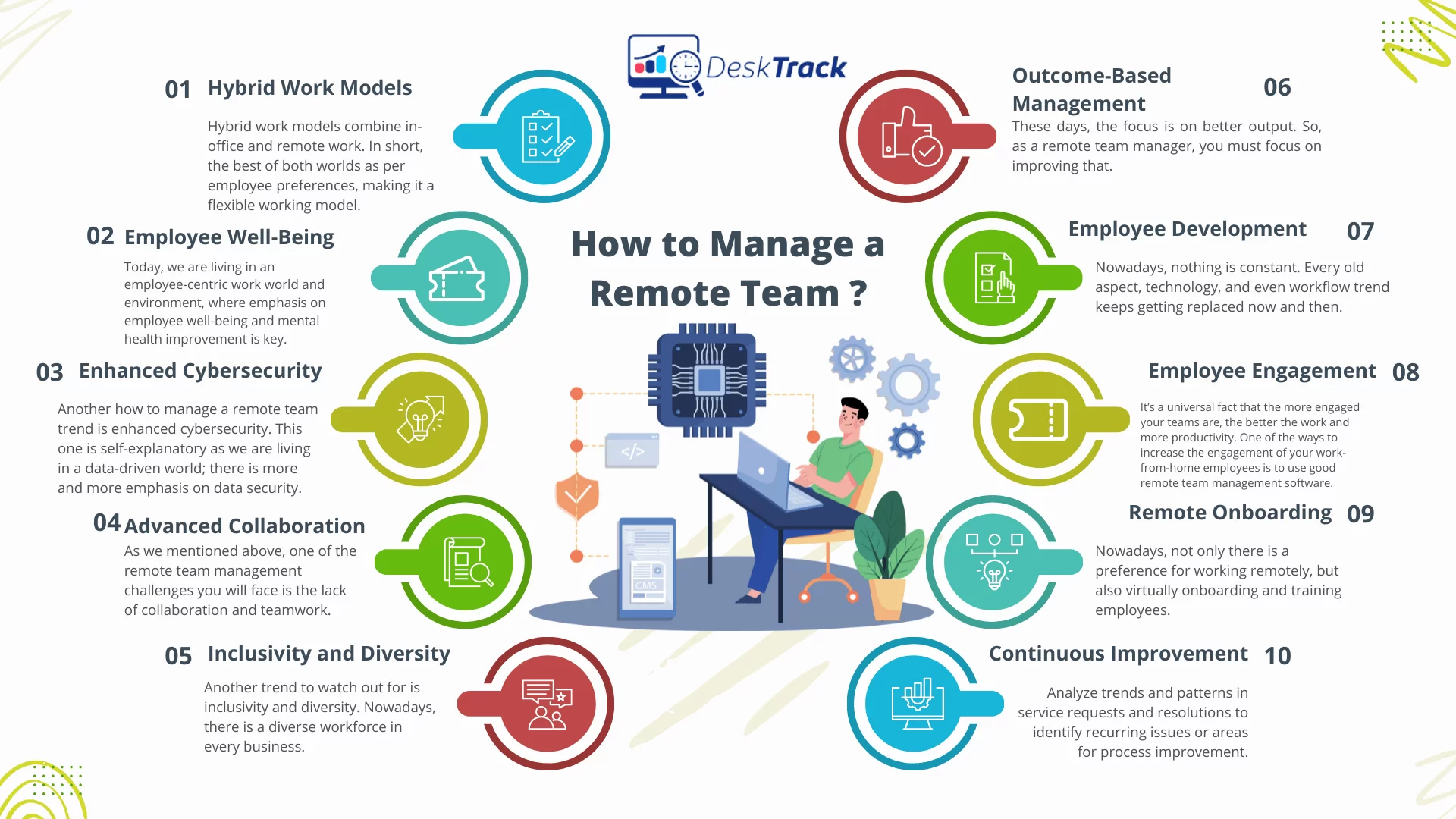
Remote and hybrid work environments have become a permanent part of modern business operations. Companies across different industries now manage distributed teams working from multiple locations, time zones, and departments. While remote work offers flexibility and access to wider talent pools, it also introduces challenges related to communication, task coordination, accountability, and deadline management.
Managing projects remotely requires more than regular meetings and messaging platforms. Businesses need structured systems that help teams stay organized, monitor progress efficiently, and collaborate effectively without disrupting productivity. As projects become more complex and deadlines tighter, organizations are increasingly adopting smarter management strategies to improve workflow visibility and team coordination.
Remote work can operate successfully when businesses combine clear communication, organized planning, and modern digital collaboration systems.
The Challenges of Remote Team Management
One of the biggest challenges businesses face in remote environments is maintaining clear communication across teams. Without physical office interaction, employees may experience delays in updates, misunderstandings regarding responsibilities, or difficulty tracking project progress.
Remote teams also face challenges related to accountability and task visibility. Managers often struggle to monitor workloads, identify bottlenecks, and ensure that deadlines are being met consistently. When information is scattered across emails, spreadsheets, and messaging applications, workflows can quickly become disorganized.
Time zone differences further complicate coordination for global teams. Delayed communication and limited overlap in working hours can slow decision-making and project execution.
These challenges highlight the importance of structured systems that help remote teams stay aligned and organized.
Establishing Clear Workflows and Responsibilities
Successful remote project management begins with clearly defined workflows and responsibilities. Every team member should understand their tasks, deadlines, priorities, and reporting structure.
Unclear expectations often create confusion and reduce productivity. Businesses that establish organized workflows usually experience smoother collaboration and fewer operational delays.
Breaking projects into smaller milestones and assigning responsibilities clearly helps teams manage workloads more effectively. This approach also allows managers to monitor progress more accurately while identifying issues before they affect larger project timelines.
Regular project updates and transparent communication also improve accountability across remote teams.
Improving Communication Across Distributed Teams
Communication is one of the most important factors in remote project success. Businesses need systems that support real-time collaboration while reducing unnecessary communication overload.
Centralized communication platforms help teams organize conversations, share updates, and maintain project-related discussions more efficiently. Instead of relying on scattered emails or disconnected messaging threads, businesses benefit from having a single source of information for project communication.
Structured communication also reduces misunderstandings between departments and improves coordination across teams working remotely.
Many organizations now rely on online project management software to centralize communication, assign tasks, monitor deadlines, and improve collaboration across distributed teams.
Real-Time Visibility Improves Productivity
One of the biggest advantages of modern remote project management systems is real-time visibility into workflows and team progress. Managers no longer need to rely solely on status meetings or manual updates to track projects.
Centralized dashboards and task management systems allow businesses to monitor deadlines, workloads, completed tasks, and pending approvals instantly. This visibility helps identify delays early and allows teams to respond more quickly to operational issues.
Real-time tracking also improves accountability because team members can clearly see project priorities, assigned responsibilities, and upcoming deadlines.
Businesses with stronger project visibility often experience better productivity and more efficient remote operations.
Automation Helps Reduce Manual Work
Automation plays an important role in improving remote team efficiency. Repetitive administrative tasks such as task assignments, reminders, status updates, notifications, and scheduling can often be automated through modern project management systems.
Automation reduces manual workload and helps teams focus more on high-value work instead of administrative coordination. Automated workflows also improve consistency across projects and reduce the risk of missed deadlines or forgotten tasks.
For growing businesses managing multiple projects simultaneously, automation becomes essential for maintaining organized workflows without overwhelming project managers or team members.
Modern project management systems increasingly include automation features that improve operational efficiency while supporting remote collaboration.
Time Management and Deadline Control
Remote teams often require stronger time management practices because employees work independently across different environments and schedules. Without proper structure, projects can easily experience delays due to missed updates or shifting priorities.
Businesses that manage deadlines effectively usually establish clear project timelines, milestone tracking systems, and realistic workload distribution. Transparent scheduling helps employees prioritize tasks more effectively while reducing confusion regarding deadlines.
Time-tracking and reporting features also help businesses monitor productivity and identify areas where workflows may require improvement.
Organized deadline management creates more predictable project execution and reduces operational stress for remote teams.
Encouraging Team Collaboration and Engagement
Remote work can sometimes reduce team connection and collaboration if businesses do not actively support engagement. Strong collaboration remains essential for creativity, problem-solving, and operational efficiency.
Regular check-ins, shared project spaces, collaborative task boards, and transparent communication systems help teams remain connected despite physical distance.
Businesses that encourage collaboration often experience better team morale and stronger project outcomes. Employees feel more involved when they have visibility into shared goals and project progress.
A collaborative remote culture also improves adaptability during fast-changing business situations and project requirements.
Scalability for Growing Businesses
As businesses grow, remote operations become increasingly complex. More employees, projects, clients, and workflows require systems that can scale efficiently without reducing productivity.
Modern project management systems support scalability by allowing businesses to manage larger teams, automate workflows, and centralize operations within a single platform. Companies can add users, departments, and integrations without significantly disrupting existing processes.
Scalable systems help businesses maintain operational consistency while supporting long-term growth and remote workforce expansion.
This flexibility becomes especially valuable for companies managing distributed teams across multiple locations or markets.
The Future of Remote Project Management
Remote work continues to reshape how businesses manage teams and operations. Companies are increasingly prioritizing flexibility, collaboration, automation, and visibility when building remote work strategies.
Successful remote project management now depends heavily on organized digital systems that support communication, productivity, and workflow transparency across distributed teams.
Businesses that adopt smarter remote management practices are often better positioned to improve operational efficiency, maintain accountability, and achieve project goals consistently. By combining structured workflows, automation, collaboration tools, and centralized project visibility, organizations can create more productive and scalable remote work environments for the future.
