
Rainforests feel alive in a special way. They stay green all year and support millions of plants and animals. Every sound, color, and movement links back to one key group. That group is rainforest producers. These living things make food and energy for the whole forest. Without rainforest producers, life in the rainforest could not survive.
Rainforest producers work quietly. They do not hunt or run. They stay in one place and grow. Still, they control the entire food system. From tiny insects to large jaguars, all life depends on them. Understanding rainforest producers helps us understand how rainforests stay healthy.
This article explains rainforest producers in clear and simple words. It uses short ideas and easy language. It is written so young readers can enjoy it. Adults can learn from it too. By the end, rainforest producers will feel familiar and important.
What Are Rainforest Producers?
Rainforest producers are plants and plant-like life that make their own food. They use sunlight, water, and air to create energy. This process is called photosynthesis. It allows producers to grow without eating other living things.
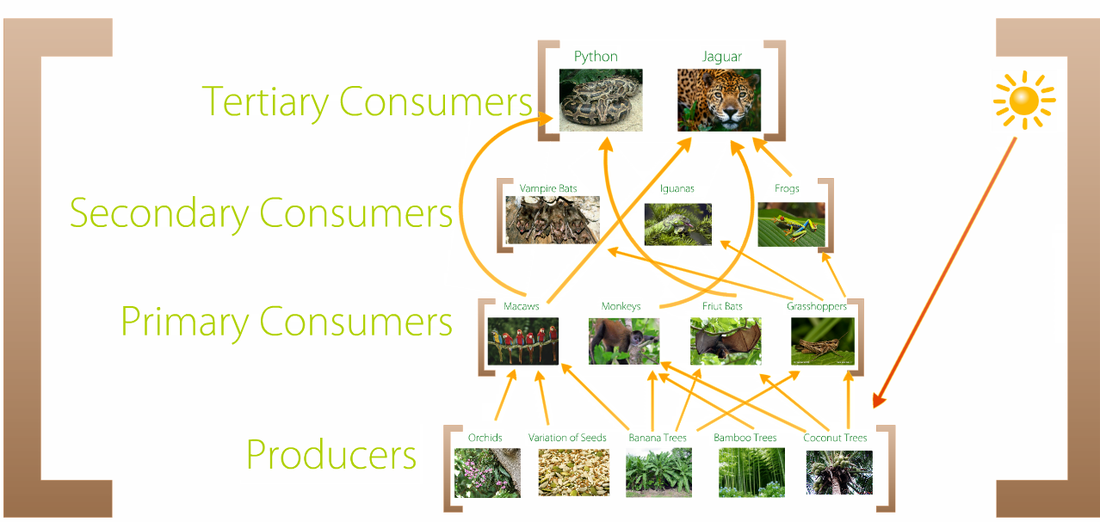
Rainforest producers sit at the bottom of the food chain. This position matters a lot. Every animal that eats plants depends on them. Every animal that eats other animals depends on them too. Rainforest producers support all levels of life.
These producers include trees, vines, shrubs, mosses, and small plants. Even algae in rainforest water counts as producers. Each one plays a role. Together, they keep the rainforest full of energy.
Rainforest producers also help control temperature. They hold water in the soil. They help create rain. Their work goes far beyond food alone.
Why Rainforest Producers Are So Important
Rainforest producers keep the food system working. They create the first source of energy. Herbivores eat plants. Carnivores eat herbivores. This chain starts with producers every time.
Rainforest producers also clean the air. They take in carbon dioxide. They release oxygen. This helps animals breathe and keeps the planet balanced.
They also protect the soil. Their roots hold the ground together. This stops floods and landslides. Without rainforest producers, heavy rain would wash soil away.
Rainforest producers support water cycles. Their leaves release moisture into the air. This moisture turns into rain. Rain then feeds the forest again. It is a strong natural loop.
Types of Rainforest Producers
Rainforest producers come in many forms. Each type fills a special space in the forest. Together, they build layers of green life.
Tall Trees
Tall trees are the main rainforest producers. They reach toward sunlight above the forest floor. Their wide leaves catch light with ease. These trees produce huge amounts of food.
They also create homes. Birds, insects, and mammals live in their branches. Many animals eat their leaves, fruit, or seeds.
Examples include kapok trees and mahogany trees. These giants shape the forest.
Smaller Trees and Shrubs
Below tall trees grow smaller trees and shrubs. They get filtered sunlight. They still perform photosynthesis well.
These rainforest producers provide fruit and shelter. Many insects and birds rely on them.
They help fill empty spaces and keep the forest thick.
Vines and Climbers
Vines twist around trees and climb upward. They use other plants for support. This helps them reach sunlight.
These rainforest producers spread across large areas. They create paths for animals. Some vines produce flowers and fruit.
They add movement and shape to the forest.
Mosses and Ferns
Mosses and ferns grow in damp, shady areas. They need less light. They still make food through photosynthesis.
These rainforest producers hold moisture. They protect soil and tree trunks.
They support insects and small animals.
How Rainforest Producers Make Food
Rainforest producers use photosynthesis to survive. This process uses sunlight, water, and carbon dioxide. Leaves absorb light. Roots absorb water.
Inside the leaf, a chemical reaction happens. Energy forms as sugar. This sugar feeds the plant.
Rainforest producers store this energy. When animals eat plants, the energy moves on. This process fuels the entire rainforest.
Without sunlight, rainforest producers could not work. That is why light matters so much in forest design.
Rainforest Producers and Animals
Animals depend on rainforest producers every day. Herbivores eat leaves, fruit, and seeds. Monkeys, deer, and insects all rely on plants.
Carnivores rely on producers in a different way. They eat animals that eat plants. This still links back to rainforest producers.
Some animals help producers too. Birds spread seeds. Insects pollinate flowers. This teamwork keeps the forest growing.
Rainforest producers and animals form strong bonds. Each needs the other to survive.
Threats to Rainforest Producers
Rainforest producers face many dangers today. Deforestation removes trees fast. This breaks food chains.
Farming and logging clear large areas. Fires destroy plant life. Climate change affects rain and sunlight patterns.
When rainforest producers disappear, animals suffer. Soil erodes. Rain patterns change. Forests weaken.
Protecting producers protects everything else.
How Humans Can Help Rainforest Producers
People can help rainforest producers in simple ways. Supporting forest protection groups helps a lot. Reducing paper waste saves trees.
Choosing sustainable products matters. Learning about rainforests spreads awareness.
Planting trees also helps. Even small actions support rainforest producers.
When people care, forests recover faster.
FAQs
1. Are all plants rainforest producers?
Most plants in rainforests are producers. They make food using sunlight.
2. Do rainforest producers include algae?
Yes. Algae in rainforest water also produce food.
3. Can animals be producers?
No. Only plants and similar life forms are producers.
4. Why are rainforest producers called primary producers?
They create the first energy source in the food chain.
5. What happens if rainforest producers die out?
The food chain breaks and the forest collapses.
Conclusion
Rainforest producers keep forests alive. They create food, clean air, and control water. Every animal depends on them.
Protecting rainforest producers protects the planet. When they stay strong, rainforests stay full of life. Understanding their role helps us make better choices for the future.
